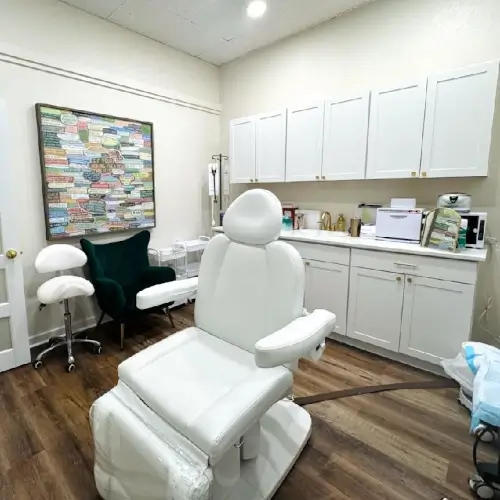

Your skin, your first line of defense
Your skin is your largest organ. It shields you from bacteria, chemicals and temperature changes, senses touch and pressure, makes vitamin D, supports immune function and fluid balance, and helps protect you from UV light.
Skin care keeps that barrier clean, hydrated, protected and nourished while you address concerns like acne, aging, dryness, oiliness or sensitivity. At our Hot Springs clinic, Dr. Pabona matches your routine and treatments to your skin type and goals.
Breakouts, scars, oil and pores
Acne
Causes: hormonal changes, clogged pores, excess oil, bacteria and stress. What helps: a gentle cleanser with salicylic acid or benzoyl peroxide, and non-comedogenic products that won’t clog pores. Prescription topicals such as retinoids can help when over-the-counter care isn’t enough.
Treatments for this concern: skin consultation, Hydroderm facial, microneedling, IPL photofacial.
Scars
Causes: acne and injuries. What helps: niacinamide, retinoids or vitamin C to fade discoloration and support skin renewal, a moisturizer with barrier-repairing ceramides, and daily sunscreen so scars don’t darken.
Treatments for this concern: RF microneedling, microneedling, laser skin resurfacing.
Oily skin
Causes: genetics, hormonal shifts or harsh products that strip the skin. What helps: an oil-control cleanser, a lightweight non-greasy moisturizer, and niacinamide, clay or salicylic acid to balance oil. Don’t over-cleanse; it can trigger more oil.
Treatments for this concern: Hydroderm facial, microneedling.
Enlarged pores
Causes: excess oil, aging and not enough exfoliation. What helps: salicylic or glycolic acid to clear pores, and a retinoid to speed cell turnover.
Treatments for this concern: Hydroderm facial, microneedling, RF microneedling.
Dark spots, sun damage and aging
Hyperpigmentation and dark spots
Causes: sun damage, acne marks, hormonal changes (melasma) and inflammation. What helps: vitamin C, retinoids, niacinamide and, under a physician’s care, prescription hydroquinone, plus SPF every day. Melasma often returns, so sun protection stays part of the plan.
Treatments for this concern: melasma and dark spot treatment, IPL photofacial, microneedling.
Fine lines and wrinkles
Causes: aging, sun exposure, lower collagen production and repeated facial movement. What helps: retinoids, peptides or hyaluronic acid, and daily sunscreen to limit UV damage.
Treatments for this concern: wrinkle relaxers (Xeomin, Dysport, Letybo), RF microneedling, laser skin resurfacing.
Sun damage
Cause: long sun exposure without protection. What helps: SPF 30 or higher every day, even indoors, and antioxidants like vitamin C. In-clinic light and laser treatments can improve the look of sun spots and uneven tone.
Treatments for this concern: IPL photofacial, laser skin resurfacing, microneedling.
Dull skin
Causes: dead skin buildup, dehydration and too little exfoliation. What helps: AHA or BHA exfoliants, a vitamin C serum for radiance, and a hyaluronic acid moisturizer.
Treatment for this concern: Hydroderm facial.
Dark circles and under-eye puffiness
Causes: lack of sleep, genetics, dehydration and allergies. What helps: eye creams with caffeine, peptides or vitamin K, plus good sleep and hydration. For hollows, under-eye filler may be an option after an evaluation.
Treatments for this concern: microneedling, RF microneedling, dermal fillers.
Dryness, sensitivity and redness
Dryness and dehydration
Causes: weather changes, over-cleansing, aging and not enough water. What helps: a hydrating cleanser and a rich moisturizer with hyaluronic acid, ceramides or glycerin. Skip hot water and harsh soaps, drink plenty of water and use a humidifier if you need one.
Treatments for this concern: a skin consultation and a medical-grade skincare regimen.
Sensitivity and redness
Causes: a damaged skin barrier, harsh products, or conditions like rosacea or eczema. What helps: gentle, fragrance-free products with aloe, chamomile or colloidal oatmeal, ceramides to repair the barrier, and avoiding triggers such as alcohol, spicy foods and extreme weather.
Treatment for this concern: IPL photofacial for visible redness.
Build a skin care routine that works
A consistent routine helps prevent or minimize signs of aging and manage common conditions like acne, eczema and rosacea. It comes down to five steps:
- Cleanse: remove dirt, oil, makeup and impurities.
- Exfoliate: clear dead skin cells for a smoother, brighter complexion.
- Moisturize: hydrate to keep your natural barrier intact and prevent dryness.
- Protect: wear sunscreen every day to limit UV damage and premature aging.
- Treat: target acne, pigment, wrinkles or redness with serums, retinoids or specialized creams.
Healthy skin also starts from within. Nutrition, hydration, stress and sleep all show up on your face; learn more about skin health and nutrition.
When to see a dermatologist
Our clinic focuses on cosmetic and skin-quality concerns. See a dermatologist for skin cancer screening, a new or changing mole, a spot that bleeds or won’t heal, or a widespread or painful rash. As a physician, Dr. Pabona can help you decide when a concern needs a specialist.
Start with a skin consultation
Not sure what your skin needs? A skin consultation with Dr. Pabona looks at your concerns, goals and skin health, then builds a plan that may combine at-home skincare and in-clinic treatment. It’s complimentary with the purchase of a treatment or skincare product. See what a consistent regimen can do in our medical-grade skincare before and after photos.
Questions
Frequently asked questions
What is the right order for a skincare routine?
In the morning, cleanse, apply a treatment serum such as vitamin C, moisturize, then finish with SPF 30 or higher. At night, cleanse, apply your treatment product, such as a retinoid, then moisturize. Exfoliate a few times a week rather than daily. When layering, go from the thinnest texture to the thickest.
Skin care clinic vs dermatologist: what’s the difference?
A dermatologist is a physician who specializes in diagnosing and treating skin, hair and nail disease, including skin cancer. A skin care clinic like ours focuses on cosmetic and skin-quality concerns such as acne, pigment, texture and aging. At Embrace Eternal Beauty, a physician, Dr. Pabona, leads that care. For screenings or suspicious spots, see a dermatologist.
How often should you exfoliate your face?
Most people do well exfoliating one to three times a week. Oily or acne-prone skin may tolerate more, while dry or sensitive skin usually needs less. Over-exfoliating can damage your skin barrier and cause redness, stinging or breakouts, so cut back if that happens. If you use a retinoid, exfoliate less often.
Do I need sunscreen indoors?
Yes, if you sit near windows or spend time in daylight. UVA rays pass through most window glass and contribute to dark spots and premature aging. Use a broad-spectrum SPF 30 or higher every day, even indoors, and reapply when you’re outside for long periods, swimming or sweating.
What is the best skincare routine for acne-prone skin?
Keep it simple: a gentle cleanser with salicylic acid or benzoyl peroxide, a lightweight non-comedogenic moisturizer and daily sunscreen. A retinoid at night can help keep pores clear. If breakouts persist, leave dark marks or scar, see a physician. Prescription topicals and in-clinic treatments can help, and a skin consultation is a good place to start.